Color, Motion, and Memory: The Science Behind Why Visual Maps Stick
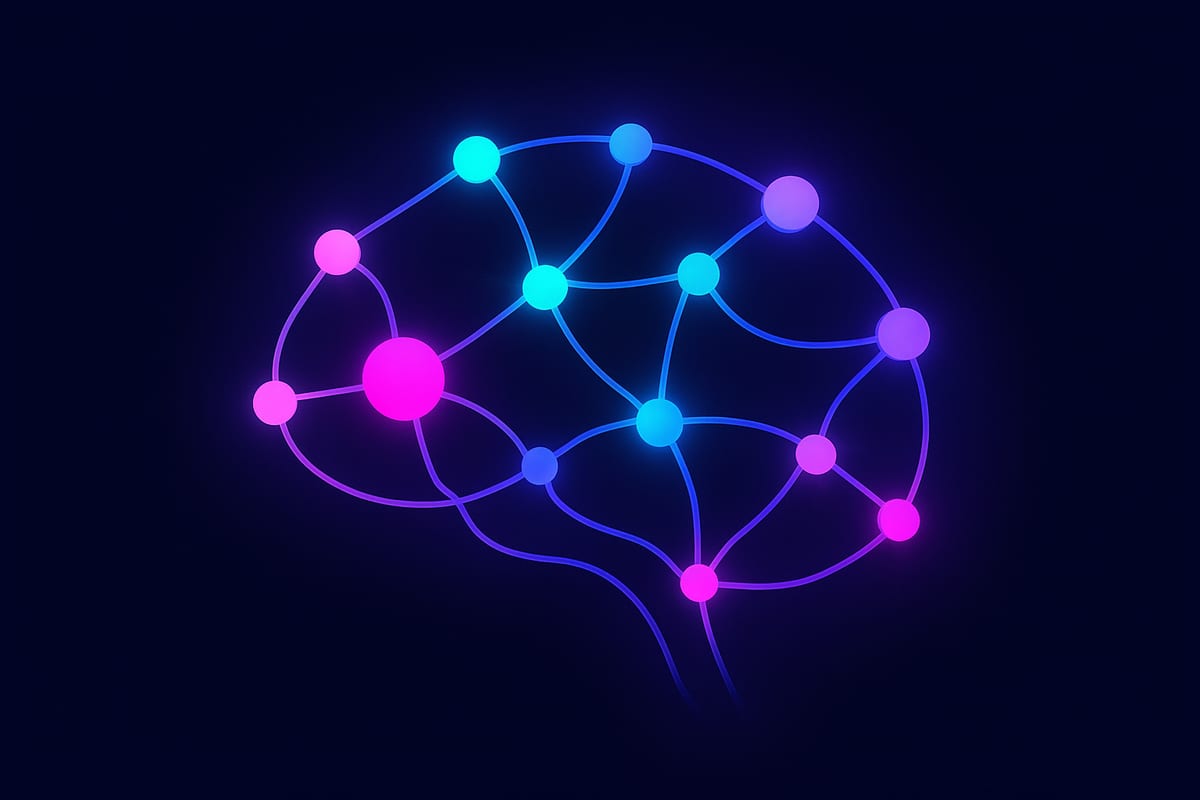
People assume mind maps work because they’re “more creative” or “more visual,” as if those were vague aesthetic virtues. The real reason is more interesting and more concrete: mind maps exploit three specific, well-studied features of human memory. Understanding them tells you how to build maps that actually stick.
1. Spatial memory: your oldest, strongest filing system
Long before humans had language, we had to remember places — where the water was, where the danger lived. The brain’s machinery for spatial memory is ancient and extraordinarily robust. It’s why “memory palace” techniques work: attach information to locations and recall soars.
A mind map gives every idea a location. Top-left, far branch, near the red node. Those positions become retrieval handles your spatial memory grabs onto automatically. A flat list gives you none of that — every line is in the same featureless column. This is the single biggest reason maps outperform notes for recall.
2. Dual coding: two memories are better than one
Cognitive scientist Allan Paivio’s dual-coding theory holds that we encode information in two channels — verbal and visual — and that information stored in both is far more durable than information stored in one. A plain note is verbal-only. A mind map encodes the same content verbally (the words in the node) and visually (its position, its branch, its colour, its connections). You’re laying down two memory traces for the price of one.
Notes give your brain one thread to pull on later. A map gives it several — the words, the place, the colour, the shape of the branch. When one thread frays, the others still reach the memory.
3. Colour and motion: attention is the gate to memory
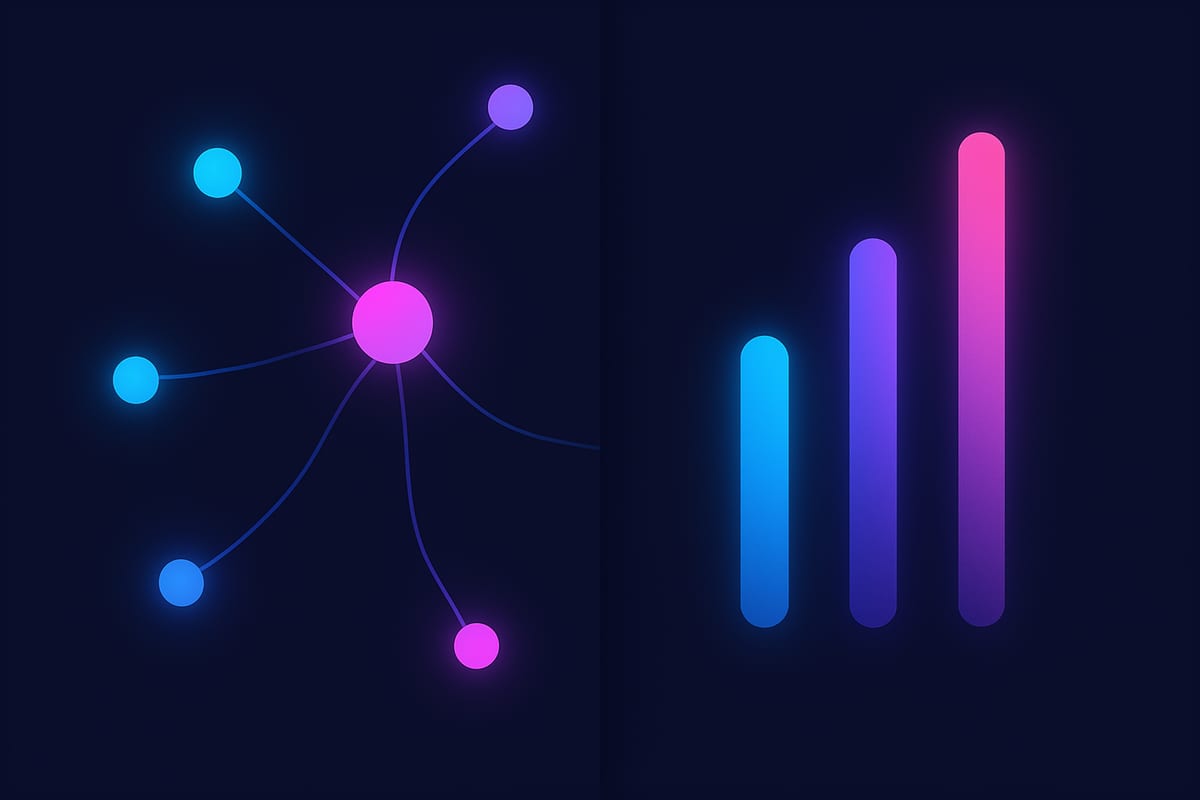
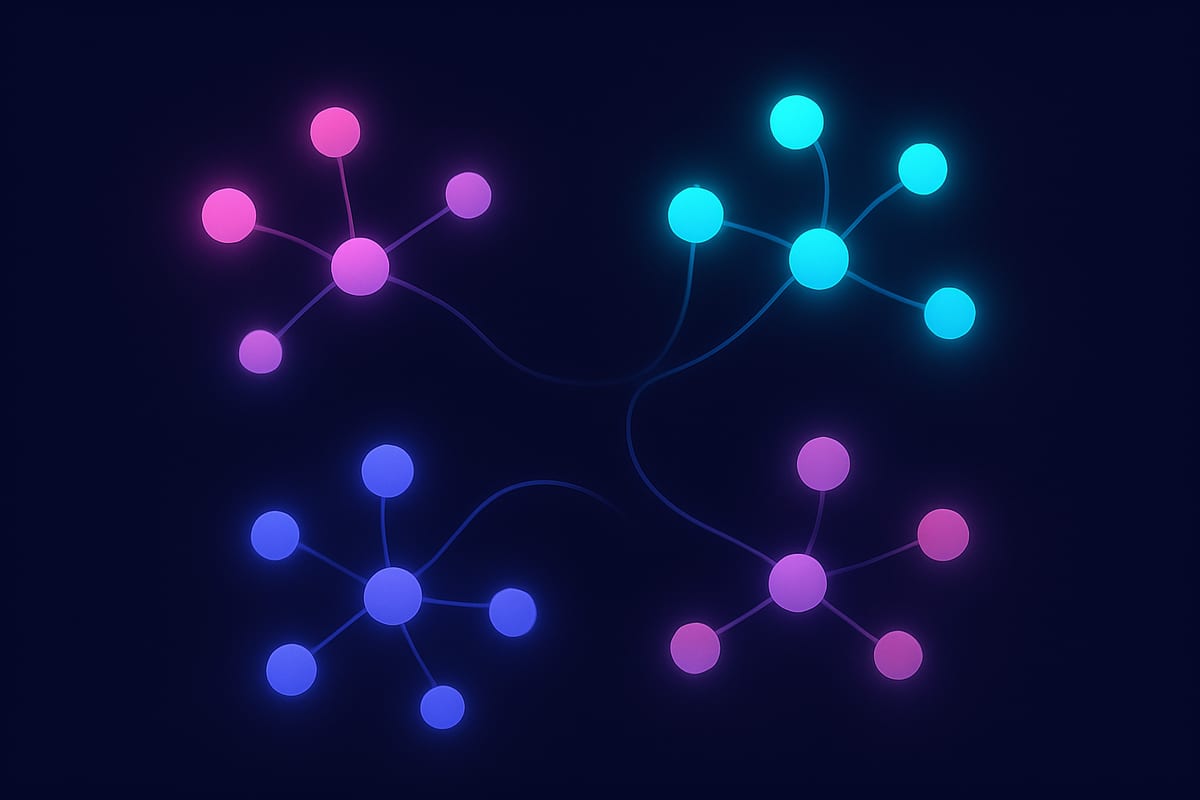
You can’t remember what you didn’t attend to, and the brain is biased to attend to colour, contrast, and movement — they signalled “important” on the savannah and they still grab the eye on a screen. This is why SquishyMind’s branches auto-colour and its nodes gently move. It isn’t decoration; it’s recruiting your attention system to mark distinctions your memory will later use. A blue branch and a pink branch are easier to keep separate in memory than two identical grey ones.
How to build maps that exploit all three
- Spread out spatially. Don’t cram. Give distinct ideas distinct positions — the space is doing memory work.
- Let colour mean something. Use the auto-colouring, but lean into it: one colour per theme makes clusters memorable.
- Keep branch labels short. A node is a memory cue, not a paragraph. Short labels force you to encode the idea, not transcribe it.
- Rebuild from memory. The ultimate test and reinforcement: recreate the map blank. Spatial recall is trainable, and rebuilding trains it hard.
None of this requires you to think about cognitive science while you work — a good tool bakes it in. But knowing why the colours and the space and the motion matter helps you stop treating them as frills and start using them as the memory tools they are.
Build a map your brain will actually remember → Or see the practical version for revision in how students use mind maps to study.