Why Your Brain Doesn’t Think in Lists (And What to Do About It)

Try to recall what you did last weekend. Notice the shape of the memory as it arrives. It’s not item 1, item 2, item 3. It’s a tangle — a place reminds you of a person reminds you of a conversation reminds you of a thing you meant to do. Your mind is an association engine. So here’s the strange thing: when we sit down to think hard, we force all that branching, associative richness into a flat vertical list. And then we wonder why it feels like pushing thought through a straw.
The brain is a network, not a spreadsheet
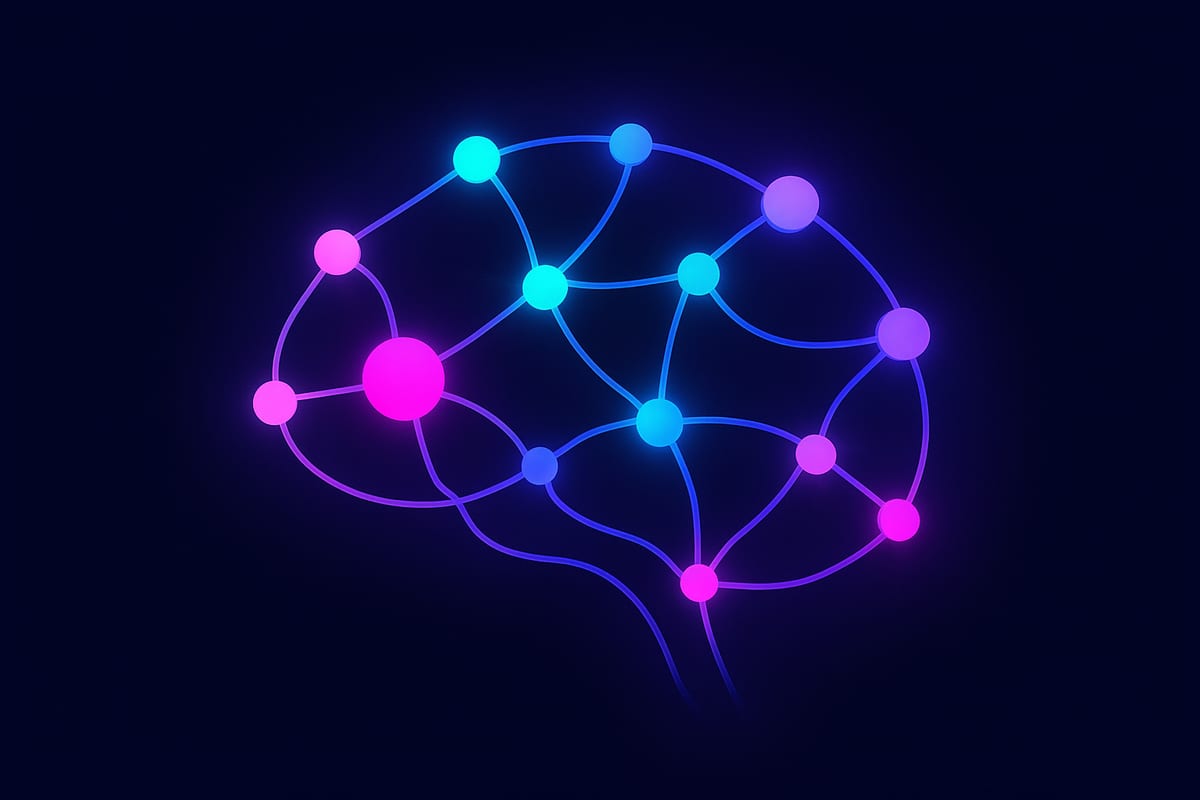
At the most literal level, your brain is a web of neurons connected to other neurons — ideas linked to related ideas in a vast, branching network. This is why one thought leads to another that seems unrelated until you trace the path. Memory, creativity, and understanding all run on these associative links. A network is your native format.
A list is the opposite of a network. It’s a single line, one item after another, every connection except “comes before / comes after” stripped away. When you write a list, you’re flattening a three-dimensional structure into one dimension and throwing out the relationships — which are very often the most important information you had.
A list keeps the items and discards the connections. But in most real thinking, the connections were the point.
What a mind map preserves
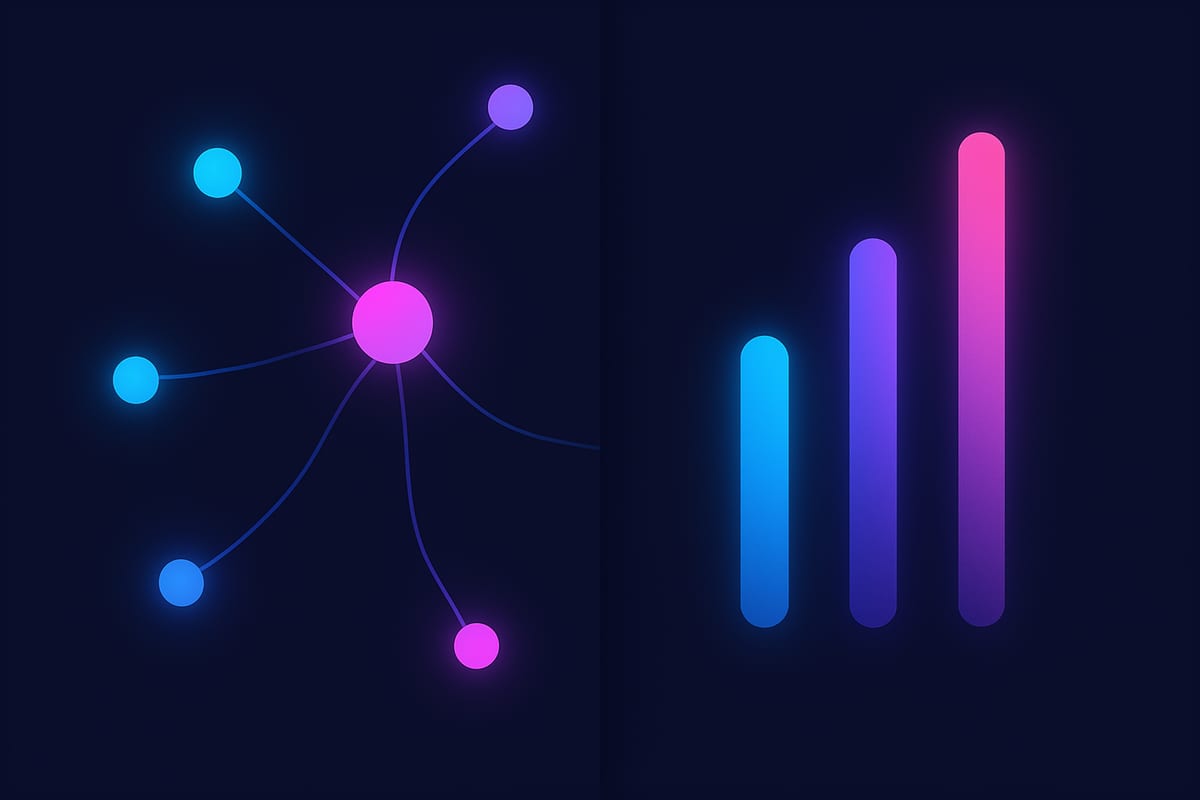
A mind map keeps the network intact. A central idea branches into sub-ideas, which branch further, and — crucially — ideas in different branches can link to each other. The structure on the page mirrors the structure in your head. Three things follow from that:
- You see the whole at a glance. The big picture and the details coexist. You can zoom out to the shape or in to a leaf without losing either.
- Connections become visible. The link between two far-apart ideas — the insight — is something you can literally draw, instead of something you have to hold in your head and hope to remember.
- Adding an idea is frictionless. A new thought doesn’t have to fit in sequence. It just attaches wherever it belongs, the way it does in your mind.
This is why mapping feels different
People often describe their first real mind-mapping session as a kind of relief, and there’s a reason. You’re no longer translating associative thought into linear form on the fly — a translation that costs effort and loses information every time. You’re thinking in the format you already think in. The tool stops fighting you.
How to start (it’s genuinely easy)
You don’t need a course. Put your topic in the centre. Add whatever comes to mind as branches — no order, no judgment. When a branch sparks a sub-thought, branch off it. When two distant ideas connect, link them. That’s the entire technique. The skill isn’t in the rules; it’s in giving yourself permission to be associative on purpose.
You can do it on paper, on a whiteboard, or in a tool built for it. The advantage of a digital canvas is that it never runs out of room, you can rearrange endlessly without redrawing, and — in SquishyMind’s case — you can even talk your map into existence and let the brain in the corner branch it out for you while you think out loud.
However you do it, the shift is the same: stop forcing a network into a line. Think in the shape your mind already has.
Make your first map free → Put one idea in the middle and see where it branches. Curious how the AI fits in? Here’s the deep dive on Squishy, our voice agent.